About Steger Auto Center
Who We Are
Steger Auto Center is a family owned and operated used car dealership that has been proudly serving the South Chicagoland area since 1992. Conveniently located at 450 W 34Th St, Steger, IL 60475, we make it easy for families and individuals across Chicago Heights, Sauk Village, Ford Heights, South Chicago Heights, Matteson, Park Forest, Richton Park, Lansing, Calumet City, Crete, Monee, University Park, Frankfort, Mokena, New Lenox, Tinley Park, Orland Park, Joliet, and Hammond, IN to find a quality vehicle they can trust.
Come visit the family at Steger Auto Center, or browse our full inventory online. We can even shop for a specific vehicle on your behalf. Family owned, family focused - serving South Chicagoland car buyers for over 30 years.

What sets us apart? We hand-pick every single car on our lot - whether it comes from a dealer auction or a private seller. That means no junk, no surprises. Just clean, reliable vehicles ranging from sedans and SUVs to hatchbacks and minivans, all priced honestly with no hidden fees.
Worried about financing? Our easy auto financing options are designed to work for all credit situations - good credit, bad credit, or no credit. Get pre-approved in as little as 15 minutes with no impact to your credit score. We'll work with you, not against you.
Blog Articles
How to Shop for a Used Car Safely: 30+ Years of Advice.
I have been in the used car business for over 30 years. My family started Steger Auto Center back in 1992, and I have been managing the place for years now. In that time, I have watched thousands of people walk through our doors.
How to Shop for a Used Car Safely: 30+ Years of Advice.
Why I Wrote This
I have been in the used car business for over 30 years. My family started Steger Auto Center back in 1992, and I have been managing the place for years now. In that time, I have watched thousands of people walk through our doors. Some are first-time buyers. Some are trading up. And some come in already burned, looking for someone they can finally trust.
It is that last group that has stuck with me the most. Because the same mistakes happen over and over again. People walk into used car lots with no idea what to look for, get suckered by a slick salesperson or a too-good-to-be-true price, and end up driving home in a car that drains their bank account a month later.
So instead of writing yet another generic "tips for car shoppers" article, I am writing down what I actually know from doing this every single day. If you are about to shop for a used car, please read this first. It might save you thousands of dollars and a whole lot of heartache.
The Single Biggest Mistake I See Used Car Buyers Make
If I had to point to one mistake that ruins more used car purchases than any other, it would be this: people chase the lowest price instead of setting a budget and finding a quality car within it.
It sounds backwards. You would think buying the cheapest car saves you money. But after three decades of watching this play out, I can tell you with absolute certainty that the cheapest car on any given lot is almost never the best deal.
Here is what actually happens. A buyer walks onto a lot with no real budget in mind. They are just looking for something cheap. The salesperson points to the lowest-priced car on the lot, and the buyer's eyes light up. They get excited about the price. They stop asking questions. They sign the paperwork. And two weeks later, the transmission is slipping or the engine is leaking oil or the brakes are grinding.
I cannot tell you how many people have come into my office at Steger Auto Center with that exact story. They got "a great deal" somewhere else, and now they need help fixing the car they thought they could afford. The repair bill ends up being more than they would have spent on a better vehicle in the first place.
The Bad Carfax and Rolled-Back Miles Trap
This one makes me angry, honestly. There are still lots out there in 2026 that will sell people cars with terrible Carfax reports and rolled-back odometers. It happens more than you would think.
Rolled-back miles means somebody physically or digitally tampered with the odometer to make the car look like it has fewer miles than it actually does. A car that shows 90,000 miles might really have 190,000 miles. The buyer pays the price for a low-mileage car and gets a high-mileage car that is going to fall apart much sooner than they expected.
A bad Carfax is the other half of this. I have seen people buy cars that had been in multiple accidents, salvage-titled, flood-damaged, you name it. The dealer either did not show them the Carfax or downplayed what was on it. The buyer drove off the lot with no idea what they had just bought.
These are the buyers who end up at my lot a few months later, trying to trade in a car that is worth half of what they paid. It is one of the most frustrating parts of this job, knowing how easily it could have been avoided.
What I Actually Check Before Putting a Car On My Lot
I get asked this all the time. What does a good used car dealer actually do before they sell you a vehicle? Because I will be honest with you, the answer at a lot of dealerships is "not much." That is exactly why so many buyers get burned.
Here is what we actually do at Steger Auto Center before a car ever makes it onto our front line. This is the same checklist you should run through, in some form, anytime you are considering a used car purchase.
I Check the Full Vehicle History
Before I even think about buying a car for my lot, I pull the full vehicle history. Not just a quick Carfax glance. The full report. I want to see every owner, every reported incident, every service record, every title change, every state the car has ever been registered in.
If the report shows red flags, the car does not come home with me. It is that simple. I would rather pass on a deal than put something on my lot that I do not believe in.
I Look at the Region the Car Was Owned In
This is one of those things most buyers never think about, but it matters more than people realize. Where a car has lived for most of its life tells you a lot about its condition.
A car that spent its life in the Northeast or the Midwest, where they salt the roads every winter, is going to have a lot more rust and undercarriage corrosion than a car that lived in Texas or Arizona. A car from a coastal area might have salt air damage. A car from a flood-prone region needs a much closer look at the electronics and the carpet.
When I am evaluating a vehicle, I always check where it has been registered over the years. That information shapes what I look for during the rest of the inspection.
I Look Over Common Issues for That Specific Make and Model
Every vehicle has its known weak spots. Certain engines have timing chain problems at certain mileages. Certain transmissions are known for slipping after a specific year. Certain models have well-documented electrical gremlins or suspension issues.
I do not buy any car blind. Before I take a vehicle in, I know what the common problems are for that exact make, model, and year. Then I check those specific things during my inspection. If a known weak point looks suspect, I either pass on the car or factor the repair into the price.
When you are shopping as a buyer, do the same homework. Type the year, make, and model into a search engine along with the words "common problems." Look at owner forums and reliability reports. Know what you are looking for before you go look at the car.
I Check the Frame for Unreported Accidents
This is a big one, and it is one of the most overlooked checks in the entire used car industry. Carfax is great, but it does not catch everything. Plenty of accidents never get reported to insurance and never show up on any history report.
The frame tells the truth. When I look at a vehicle, I physically inspect the frame and the major structural components. I look for:
- Welds that look fresh or out of place
- Bolts that have been removed and reinstalled
- Paint overspray in places it should not be
- Frame rails that look bent, kinked, or pulled
- Body panels that do not line up correctly with the frame
If I see signs the car has been in an accident that was not reported, that car is not going on my lot. Period.
As a buyer, you can do this same check. Get down and look under the car. Walk around the entire vehicle and inspect every panel. You do not need to be a mechanic. You just need to look closely.
I Check That All Fluids Are Clean
Fluids are the bloodwork of a car. They tell you the truth about the vehicle's health even when the owner has tried to hide problems.
Here is what I check on every car:
- Engine oil should be amber or light brown. If it is black, sludgy, or milky, something is wrong. Milky oil especially means coolant is getting into the engine, which is a major problem.
- Transmission fluid should be reddish-pink and clear. If it is brown, dark, or smells burnt, the transmission is on its way out.
- Coolant should be clear and the proper color. If it looks rusty, milky, or has debris floating in it, you have a problem.
- Brake fluid should be light yellow or clear. Dark brake fluid means the system has not been maintained.
- Power steering fluid should be clean. Dark or foamy fluid means trouble.
Cheap, dirty fluids are a sign the previous owner did not take care of the car. They are also a sign the dealer is not taking the time to recondition the vehicle properly. Both of those are red flags.
I Check That All the Body Lines Are Straight
This is another quick check that tells you a ton. When a car has been in a wreck and put back together poorly, the body lines never quite match up. The gaps between the doors, the hood, the trunk, and the fenders should be even and consistent all the way around the car.
Stand back about ten feet and just look at the vehicle. If the gap on one side of the hood is bigger than the other, if a door sits proud of the fender, if the trunk lid looks crooked, something has been replaced or repaired. Combined with the frame inspection, this is one of the easiest ways to spot a car that has been hit.
What "Lot Ready" Actually Means at Steger Auto Center
After I decide to bring a car onto our lot, the work is just beginning. There is a huge difference between a car that has been "lot ready" by us and one that has been "lot ready" by a lot of other dealers in this industry. I want to be honest with you about exactly what happens to a vehicle between the time it gets here and the time you see it on the front line.
A Full Multi-Point Mechanical Inspection
Our mechanic does a full multi-point inspection on every single vehicle. We are not skimming the surface. We are checking the engine, the transmission, the brakes, the suspension, the steering, the electrical system, the cooling system, the exhaust, and every safety component. If something is wrong with the car, we find it.
Everything That Is Wrong Gets Fixed Before the Car Hits the Lot
This is the part most dealers skip. If our inspection turns up a problem, we fix it. We do not put it off, we do not hide it, we do not hope the customer does not notice. The car needs to be in top shape before it goes on the lot. That is our minimum standard, not our exception.
Full Professional Detail
Every vehicle gets a full professional detail inside and out. Not a quick rinse. Not a vacuum-and-go. A real deep cleaning so the car looks and smells the way it should when you sit in it for the first time.
What Most Other Lots Do Instead
Here is the part that frustrates me. Most lots do a quick wipe down, an oil change, and call it a day. The car gets washed, the inside gets a once-over, and onto the lot it goes. Whatever was wrong with the car when it came in is still wrong with the car when it gets sold. The buyer finds out the hard way a week or a month later.
We do a full deep dive on every vehicle because that is the only way to do this business right. If we are going to put our name on a car, we are going to make sure it is worth our name.
Set a Real Budget Before You Step Onto a Lot
Before you visit a single dealership, sit down and figure out what you can actually afford. And I do not just mean the sticker price. I mean the total cost of owning the vehicle.
Here is what you need to factor in:
- The down payment you can put down today
- The monthly payment that fits your budget without stretching you thin
- Another factor that affecs what you should pay is milage, but the right answer might surprise you. For a Full breakdown of how to evaluate high-mileage cars, read my guide: How Many Miles Is Too Manyon a Used Car?
- Insurance costs, which vary a lot by make and model
- Gas costs based on the vehicle's fuel economy
- Routine maintenance like oil changes, brakes, and tires
- A small buffer for unexpected repairs
When you know what you can really afford, you stop chasing the cheapest car on the lot. You start looking for the best car within your real budget. Those are two very different searches, and they lead to very different outcomes.
At Steger Auto Center, we work with customers across all credit types and budgets. I would rather sit down with someone for an extra twenty minutes and find the right car for their actual situation than rush them into something they will regret.
Always Check the Carfax. No Exceptions.
I do not care if the salesperson tells you the car is clean. I do not care how nice it looks on the lot. I do not care how good the price is.
Always ask for the Carfax.
A reputable dealer will hand it to you without hesitation. We do at Steger Auto Center. If a dealer refuses, hedges, or tries to talk you out of looking at it, walk away. That is your gut telling you something is wrong, and your gut is right.
When you look at the Carfax, here is what you want to see:
- A single owner or a small number of owners
- No accidents reported, or if there were accidents, only minor ones
- A consistent mileage history that goes up over time, never backwards
- Regular service records from real shops
- A clean title, not salvage or rebuilt
- No flood damage or major structural repairs
If anything looks off, ask questions. A good dealer will explain everything. A bad one will get defensive or change the subject. That is your sign.
Watch for Rolled-Back Odometers
This one is harder for the average buyer to spot, but there are some things you can look for. A car with very low miles on the odometer should look like a car with very low miles. That means:
- The driver's seat should not be heavily worn
- The steering wheel should not be polished smooth from use
- The pedals should not be worn down to bare metal
- The interior should not smell heavily of years of use
- The wear and tear should match the mileage on the dash
If the odometer says 60,000 miles but the inside of the car looks like 200,000 miles, something is wrong. Trust your eyes more than the number on the dashboard.
You can also check the Carfax for mileage inconsistencies. The report shows mileage readings from service visits, registration renewals, and inspections over the car's life. If those numbers do not line up in order, the odometer has been rolled back.
Take the Car for a Real Test Drive
Not just around the block. A real test drive.
When you test drive a car at Steger Auto Center, I encourage people to take it on the highway. I want them to feel how it handles at speed. I want them to hear how the transmission shifts. I want them to test the brakes hard and feel how the suspension takes a bump. Twenty minutes of real driving will tell you more than an hour of looking under the hood.
During the test drive, pay attention to:
- Any vibrations in the steering wheel or seat
- Strange noises from the engine, transmission, or wheels
- How smoothly the car accelerates and brakes
- How the air conditioning and heat perform
- Whether all the electronics, lights, and gauges work
- How the car tracks straight on the highway without you holding the wheel hard
If something feels off, say so.If you want a second opinion before you buy, or after you drive it home,knowing how to find a mechanic you trust matters just as much as trusting the dealer. A good dealer will let you test drive a second car or take the same car back later. A bad dealer will pressure you to sign right then.
Watch Out for Predatory Financing
This is one of the biggest places buyers get hurt, and it is one of the least understood parts of the whole car buying process. Most people walk in nervous about their credit and walk out with a loan that is going to cost them more than the car itself.
Here is how the trap works. You see a "0 down, drive home any car today" sign. It sounds amazing. You walk in, you sign the papers, and you drive home. What you do not realize is that the loan you just signed has an interest rate of 25 to 30 percent, and it is compound interest, meaning the interest grows on top of itself month after month. By the time you finish paying, you have paid two or three times what the car was actually worth.
I see this all the time. People come into my lot trying to trade in a car they still owe twice as much on as the car is worth. The lot that sold them the original car set them up for that exact result.
How Financing Works at Steger Auto Center
We do things differently. We have trusted lender partners that we work with for customers with all kinds of credit situations, and we also offer in-house financing for buyers who need it.
When you finance with us in-house, we charge a flat interest fee. Not compound interest. Just a clear, simple flat fee that you know up front. There are no surprises and the cost does not snowball over time.
On top of that, if you pay your car off faster than the original loan term, we offer a reduction in the interest fee. So if you come into some money or just want to pay it down quicker, you actually save money instead of getting punished for it.
That is how financing should work. Simple, fair, transparent.
Red Flags to Watch For in Any Loan Offer
Here is what should make you walk away from a financing offer, no matter what dealer you are at:
- An interest rate above 25 percent
- Compound interest instead of simple or flat interest
- Prepayment penalties for paying the loan off early
- Hidden fees buried in the paperwork
- Vague or confusing answers when you ask the salesperson to explain the loan
- Pressure to sign right away before you can read everything
A good dealer will sit down with you and walk through every line of the loan agreement. A bad dealer will rush you, distract you, or tell you "do not worry about that." When you hear "do not worry about that," worry about that.
A Real Story That Shows Why Trust Matters
I want to tell you a story that is one of my favorites because it shows what can happen when a customer finds a dealer they can actually trust.
About 25 years ago, a customer came onto our lot. He had been buying cars through private sales and getting burned every single time. Bad cars, hidden problems, sellers disappearing the second the title changed hands. He had lost almost all faith in the used car market by the time he found us.
He stopped by our lot one day, not really expecting much. We sat down with him, got to know what he needed, and put him into a minivan with our in-house financing. We earned his trust one deal at a time.
That was 25 years ago. In the years since, that same customer has purchased ten vehicles from Steger Auto Center. Ten. He brings his family here, he brings his friends here, and he has even purchased cars from us that he sends home to his family in Africa.
That is not a sales pitch. That is what happens when you treat people right for a long time. That is the kind of relationship a real dealership builds with a real customer. And it is the kind of relationship I want to build with every person who walks through our door.
Ask Where the Car Came From
This is a question almost no buyer asks, and it tells you so much about the dealership.
Where did they get this car? Did they buy it at auction? Did they take it on a trade? Did they buy it from a customer? A dealer who knows the answer and tells you straight is a dealer who actually cares about what they sell. A dealer who shrugs or gives you a vague answer is a dealer who probably bought it cheap and is reselling it without doing much work to it.
At Steger Auto Center, I can usually tell you exactly where each car on my lot came from, what we did to it before we put it up for sale, and what we know about its history. That is not bragging. That is just how a good dealership should operate.
Look for a Dealer With Roots in the Community
A used car lot that has been around for one year is taking a much different approach than a used car lot that has been around for thirty years. Reputation matters in this business. The dealers who cut corners do not stick around. The ones who treat customers right build a name that lasts.
Steger Auto Center has been serving the South Chicagoland area since 1992. We are family-owned. We know our customers by name. People who bought their first car from us are bringing their kids in now to buy theirs. That is not an accident. That is what happens when you take care of people for the long haul.
When you shop for a used car, look for a dealer who has been around. Look for a dealer with real reviews from real customers. Look for a dealer whose name shows up when you ask around town. Those are the ones worth trusting.
Do Not Be Afraid to Walk Away
This might be the most important advice in this whole post.
If something feels wrong, walk away. If the dealer is pressuring you, walk away. If they will not let you see the Carfax, walk away. If the price seems too good to be true, walk away. If they refuse a test drive or a mechanic inspection, walk away.
There will always be another car. There will always be another lot. The car you are walking away from is not your last chance at a vehicle. But the bad deal you almost signed for could have been the start of two years of headaches and repair bills.
A real dealer will respect your decision to walk away. They might even thank you for being a careful buyer. A bad dealer will guilt-trip you, push you, or try to keep you on the lot. That alone tells you everything you need to know.
A Final Word From Steger Auto Center
I love this business. I love what my family built and what we keep building every day. But I hate seeing people get taken advantage of out there. The used car industry has earned a lot of its bad reputation over the years, and the only way that changes is one buyer at a time, one honest dealership at a time.
If you are shopping for a used car right now, take your time. Set a real budget. Check the Carfax. Inspect the car. Check the fluids. Look at the frame. Look at the body lines. Take a real test drive. Read every line of your loan agreement. Ask questions. Walk away if you need to.
And if you are anywhere near Steger, IL, come see us. We have been doing this for 30+ years, and we would be honored to earn your business the right way.
You can reach us at (708) 765-6998 or visit stegerauto.com to browse our current inventory. We offer flexible financing for all credit types because we believe everyone deserves a fair shot at a reliable car.
Thank you for reading. Drive safe out there.

How Many Miles Is Too Many on a Used Car?
In over 30 years running Steger Auto Center, the question I get asked more than any other is this: "How many miles is too many on a used car?"
How Many Miles Is Too Many on a Used Car?
Why This Question Is the One Buyers Ask Me Most
In over 30 years running Steger Auto Center, the question I get asked more than any other is this: "How many miles is too many on a used car?"
I love this question because the answer is going to surprise a lot of you. There is no single magic number. There never has been. Anyone who tells you a flat "anything over 100,000 miles is too much" is either lying to you or trying to upsell you on a car with a smaller number on the odometer.
The truth, after three decades of buying, selling, servicing, and driving every kind of vehicle imaginable, is that mileage is just one part of a much bigger picture. And in this post, I'm going to give you the real, no-nonsense answers that no other dealer is willing to put in writing.
The Real Answer Depends on the Vehicle
Let's start with the most important thing you need to understand. A 250,000-mile Toyota is a completely different animal than a 100,000-mile BMW. The brand, the model, and how the car was built matters way more than the raw number on the odometer.
Some cars are built to run forever. Some are built to look pretty for 80,000 miles and then start nickel-and-diming you to death. Knowing the difference is the entire game.
My Personal Mileage Ceilings by Brand
After years of buying cars for my own lot, I have developed real thresholds I use as a guide. Here is what I will personally consider when bringing a vehicle in, assuming the car has been well maintained.
Toyota and Lexus
Up to 300,000 miles is fair game. These are some of the most reliable vehicles ever built. I have seen well-maintained Toyotas and Lexus models cruise past 400,000 miles without major repairs. If a Toyota or Lexus has been taken care of, the odometer is almost irrelevant.
Honda
Up to 250,000 miles if it has been well maintained. Hondas are built nearly as tough as Toyotas, with a few specific service items you want to make sure were handled.
Ford, Chevy, and GM
This one depends on whether you are looking at a car or a truck.
- Trucks - well-maintained F-150s, Silverados, and Sierras can go up to 250,000 miles without issue
- Cars and sedans - I would stop around 150,000 to 175,000 miles, maybe stretching to 180,000 if the service history is impeccable
BMW, Audi, and European Brands
Here is where I get cautious. I personally stay away from anything over 125,000 miles when it comes to European vehicles. The parts are expensive, the labor is expensive, and even well-maintained European cars start hitting major repair bills at higher mileages that can outpace the value of the vehicle.
That doesn't mean a 150,000-mile BMW is unsafe or won't run. It means you need to go in with eyes wide open and a repair budget ready.
How to Tell If a Car Was Well Maintained
This is the part most buyers skip, and it is the most important step. Mileage matters less than maintenance. A 200,000-mile car that was babied can be a better buy than a 100,000-mile car that was abused.
Here is what I look at every single time a car comes onto my lot.
Walk Around the Car First
Is it banged up? Are there dents or scratches? Are the body panels straight? A car that looks neglected on the outside is usually neglected on the inside too. Owners who care about how their car looks tend to care about how it runs.
Look at the Interior
Is the interior clean, or are there stains everywhere? Is the steering wheel polished smooth from years of abuse? Are the pedals worn down to metal? An interior tells the story of how the car was treated day to day. People who maintain their cars also clean them.
Pop the Hood and Check the Oil
Pull the dipstick. Is the oil amber and clean, or black and sludgy? If the oil is dirty, the previous owner skipped oil changes. With Toyotas, even dirty oil is not always a deal breaker because those engines are designed to run forever. With other brands, dirty oil is a red flag.
Check All the Fluids
Transmission fluid should be reddish pink. Coolant should be clear and the proper color. Brake fluid should be light yellow. If any fluid looks dark, milky, burnt, or full of debris, somebody skipped maintenance.
The Hidden Red Flags Buyers Miss
A clean-looking car is not always a clean car. I have walked away from beautiful vehicles after spotting things most buyers would never catch. Here is what to look for.
Structural Rust
Surface rust on older cars is normal. Flaking rust on the frame or inside the door jambs is structural and can compromise the safety of the vehicle. Get under the car. Look at the frame rails. If you see flaking, walk away.
Mismatched Paint and Panel Gaps
If the paint looks different from one panel to the next, or the gaps between the hood, doors, and trunk are uneven, that car has been in an accident and put back together. Sometimes the repairs are quality, sometimes they are not. Either way, you deserve to know.
Flood Damage Signs
If a car smells musty or wet, walk away. Other flood damage clues include rust on the seat belt brackets, water lines on the underside of the dashboard, and dirty residue in the spare tire well.
Dashboard Warning Lights
If any warning light is on, ask why. A good dealer will tell you exactly what is wrong. A bad dealer will say "it just needs a sensor" without proof. Demand answers.
A Suspiciously Spotless Engine Bay
This sounds counterintuitive, but a perfectly clean engine bay can sometimes be a red flag. Sellers who steam-clean an engine bay before sale are often hiding evidence of oil or coolant leaks. A normally clean engine is great. A weirdly pristine engine on a 150,000-mile car is suspicious.
A Price That's Too Good to Be True
If a car is listed five thousand dollars below the national average for that year and mileage, there is a reason. Healthy used cars hold their value. Heavily discounted cars usually have something wrong.
A True Story of a 200,000-Mile Honda That Outlived Expectations
Let me tell you a story I love.
A family came onto our lot looking at a 2005 Honda Civic with 200,000 miles. They were nervous because of the mileage. I get it. The number was scary on paper. But we knew that car. We knew where it came from. We knew it had been well maintained. We had even serviced it ourselves in our full-service mechanic shop in the back. We sat down with the family, explained everything we knew, and walked them through the service history. They decided to take the chance. That was years ago. Today that same Honda Civic has 375,000 miles on it. It just came in for a routine oil change. And it is still running like a top. Could that family have bought a "safer" car with lower miles? Sure. Could they have spent twice as much and gotten a fancier vehicle? Absolutely. But they got a reliable, well-maintained Honda for a great price, and they are still driving it 175,000 miles later.
That is what the right used car looks like.
Low Mileage Is Not Always a Good Sign
This is the part of the post that is going to surprise a lot of buyers. Most people walk onto a used car lot, see the lowest-mileage car on the lot, and head straight for it. They think low miles means a great deal.
It does not always work that way.
I have seen 50,000-mile BMWs and Audis that were absolute nightmares. Here is what happens when a car sits too long without being driven:
- Fluids degrade. Engine oil, transmission fluid, brake fluid, and coolant all break down chemically over time even when the car isn't running
- Brake rotors rust. A car that sits for two years often has rotors that need to be replaced just to be safe
- Tires rot. Tires age out at around 6 years whether you drive on them or not. A low-mileage car often has tires that look fine but are actually unsafe
- Rodents move in. Mice and rats love to nest inside engine bays and chew through wiring harnesses, which can lead to thousands of dollars in electrical repairs
- Seals dry out. Engine seals, transmission seals, and weatherstripping need use to stay lubricated. A car that sits develops leaks
A car that has been driven regularly and maintained well is almost always a better buy than one that has barely been driven and neglected. Cars are meant to move.
The Maintenance Milestones That Matter
If you are shopping for a high-mileage car, here are the specific services that need to have been done. Ask for proof. A good seller will have records.
At 100,000 Miles
This is the major refresh point. The car should have had:
- Timing belt or timing chain inspection
- Water pump replacement, if it came out with the timing belt
- Spark plug replacement
- Coolant flush
- Transmission fluid service
- General system check
At 150,000 Miles
Components start to wear. The car should have had:
- Suspension refresh, including struts, shocks, and bushings inspected or replaced
- Drivetrain fluid replacement
- Belts and hoses inspected and replaced if needed
- Full brake inspection
At 200,000 Miles
Now the car needs more attention. The car should have had:
- Axle and drivetrain seals checked and replaced if needed
- Power steering fluid replaced
- Engine and transmission mount inspection, as these begin to deteriorate
- Sensor checks, including wheel speed sensors and oxygen sensors that may need cleaning or replacement
If a high-mileage car you are looking at has none of these services documented, that is a yellow flag at minimum.
How Miles Affect Price
People always ask me, "How much should low miles save me?"
In the used car market, depreciation runs about 15 to 20 cents per mile in the typical price bracket. So if you have two identical Camrys side by side, one with 80,000 miles and one with 180,000 miles, you are looking at roughly a 15 to 20 thousand dollar spread in theoretical depreciation.
But here is the thing. The first car probably also carries a "psychological premium" for being under 100,000 miles. That mental barrier means lower-mileage cars sell at a premium just for the comfort of the number being shorter.
In my opinion, the price drop on a higher-mileage car is worth it if and only if the car shows signs of being well maintained. If it does, the savings can be huge and the car can still last you years. If it doesn't, no discount in the world makes it a good deal.
Highway Miles vs City Miles
Here is another factor most buyers never consider. Not all miles are equal.
I would personally buy a vehicle with 150,000 highway miles over one with 100,000 city miles every single time. Here is why.
City driving is brutal on a car:
- The transmission is constantly shifting up and down
- The brakes get hammered with stop-and-go traffic
- The suspension takes a beating from potholes and curbs
- The engine never warms up properly on short trips
Highway driving is the easy life for a car:
- The transmission stays in top gear at a steady pace
- The brakes barely get used
- The suspension cruises on smooth roads
- The engine reaches optimal operating temperature
When you are looking at a high-mileage car, ask the seller where the car was driven. Was it a long-distance commuter? A traveling salesperson's car? Those highway miles are nothing to be afraid of.
My #1 Piece of Advice for High-Mileage Car Shoppers
If you are staring at a great-looking 175,000-mile Toyota and freezing up because of the number, listen up.
Do your due diligence.
That is it. That is the secret. Don't let the mileage scare you. Don't let the mileage win you over either. Look at the actual car.
- Get a proper inspection done by a trusted mechanic
- Look underneath the vehicle for rust, leaks, or accident damage
- Check the frame for any signs of bending or damage
- Inspect every fluid for cleanliness
- Watch for signs of neglect in the interior and exterior
- Ask for service records and proof of maintenance
A well-maintained 175,000-mile Toyota will run circles around a neglected 80,000-mile anything. I see it every single week at my shop.
Why Customers Come to Steger Auto Center
For 32 years now, Steger Auto Center has prided itself on offering quality service to the South Chicagoland area. We are family-owned and family-operated, and we have built our reputation by doing one thing right.
We spend our time finding well-maintained used vehicles for the people who can't afford to go out and buy a brand new car but still deserve a reliable vehicle.
Every car that comes onto our lot goes through our full-service mechanic shop in the back. Our mechanics know what to look for, what to fix, and what to walk away from. When we put a car on our front line, we stand behind it.
If you are shopping for a quality used car near Steger, Chicago Heights, Matteson, Lansing, Calumet City, Homewood, or anywhere in the South Chicagoland suburbs, come see us. Whether you are looking at a 50,000-mile vehicle or a 250,000-mile one, we will tell you the truth about what you are buying.
Visit Steger Auto Center Today
You can reach us at (708) 754-0292 or visit stegerauto.com to browse our current inventory.
Our location is 450 W 34Th St, Steger, IL 60475. We are open Monday through Friday from 9am to 7pm and Saturday from 9am to 4pm.
We offer flexible financing for all credit types because we believe every working family deserves access to reliable transportation. Browse our current inventory online or stop in and meet the family that has been earning this community's trust since 1992.
Drive safe out there.
How Do I Find A Mechanic I Can Trust?
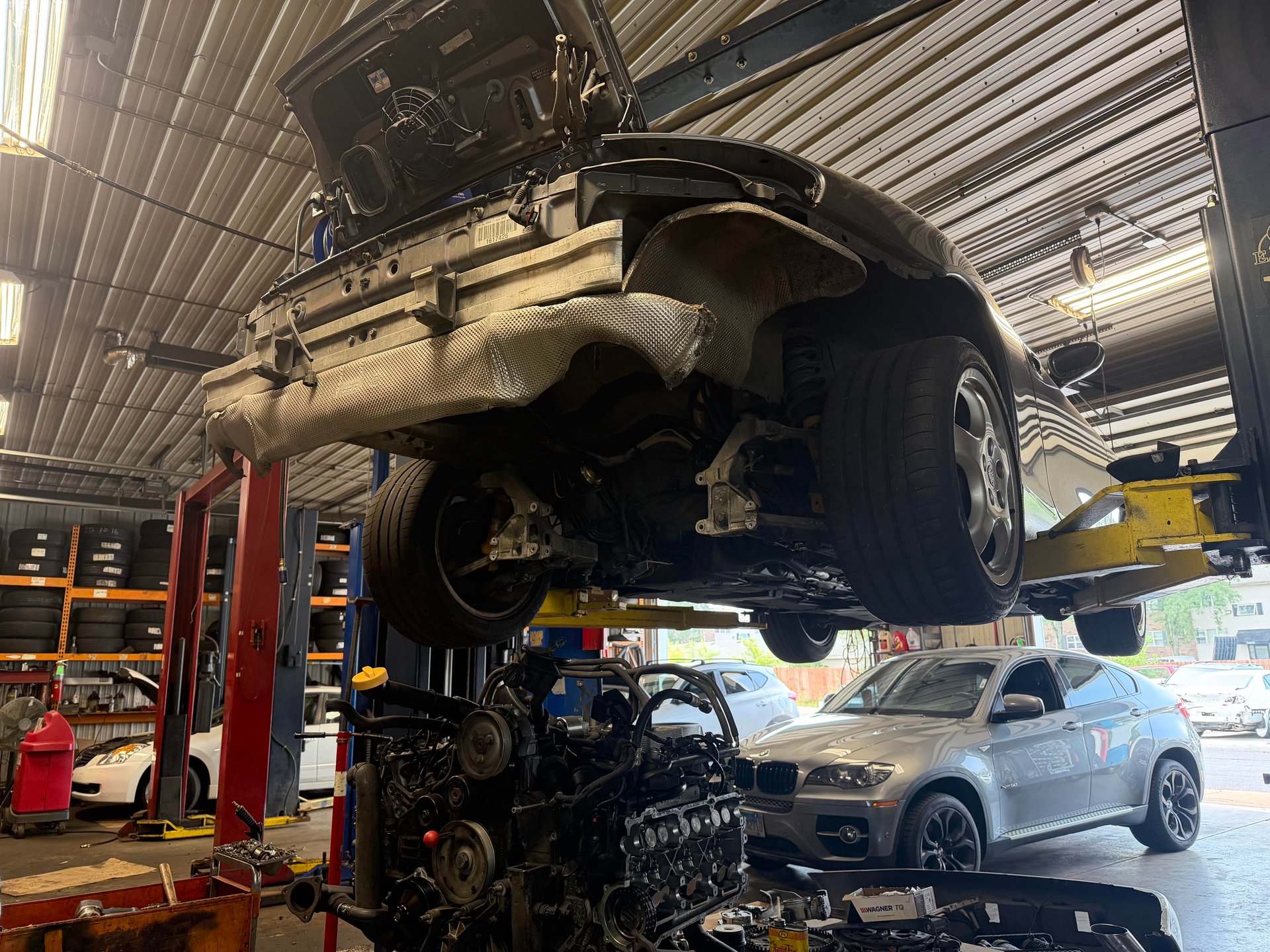
Most drivers have a story about a repair shop that didn't feel right. Maybe it was a quote that seemed too high, or a mechanic who couldn't quite explain what was actually wrong with the car. At Steger Auto Center, we've spent over three decades in Steger fixing cars for people across South Chicagoland, and we've learned that trust between a shop and a customer is built on a few specific things. Here's what we tell people when they ask how to find a mechanic they can actually rely on.
Start With a Real Diagnostics Process
The foundation of trust starts before a single repair is made. At our shop, we take the time to run a proper diagnostics process on every vehicle that comes through the door. That means we find out exactly what's wrong before we ever quote a customer a price.
We then quote only the service that's actually needed. We don't add on repairs that aren't necessary at the time, and we don't pad a bill with upcharges just because a customer might not know better. If your car needs work, we'll tell you exactly what and why. If it doesn't need something yet, we'll tell you that too.
A Case That Shows Why This Matters
One of the best examples of this came from a customer who had been quoted a full engine replacement by an Audi dealership. She heard about our shop through a friend and had the vehicle towed from Audi directly to us for a second opinion.
Our master mechanic went through the vehicle carefully and found that it didn't need a new engine at all. It needed a timing job. That one diagnostic difference saved her more than eight thousand dollars. Stories like this are exactly why we believe a second, honest opinion can completely change the outcome of a repair, both for your car and your wallet.
What to Look For When Vetting a Mechanic
If a friend asked us how to find a shop they can trust, here's exactly what we'd tell them.
Look at the shop's website and read through their Google reviews. Reviews tend to reflect how a shop actually treats people over time, not just what they advertise. Ask around. A recommendation from a friend, neighbor, or family member carries real weight, since it comes from someone who's already been through the experience. Pay attention to how long the shop has been in business. There's a real difference between a shop that opened a year ago and one that's been open for thirty-plus years. That kind of longevity doesn't happen without customers coming back again and again.Watch Out for the Parts, Not Just the Price
One red flag we always point out is what's actually going into your vehicle during a repair. A lot of cheaper shops will charge you premium prices for parts, but quietly install the cheapest overseas or eBay-sourced parts they can find. It might look like a fair price on paper, but it often leads to repeat repairs and shorter part lifespans down the road.
We make it a point to use quality parts on every job we do. Our goal isn't just to get your car out the door. It's to keep it running well for years to come, which matters even more thehigher the mileage climbs on your vehicle.
Why Longevity and Family Ownership Matter
Steger Auto Center has been family-owned and operating in Steger since 1992.That's not just a detail we mention for nostalgia. It's the reason customers from Chicago Heights, Matteson, Lansing, Calumet City, South Holland, Richton Park, Homewood, Olympia Fields, Crete, Park Forest, Country Club Hills, and Glenwood keep bringing their vehicles to us. Trust isn't something a shop can claim. It's something that gets proven, one honest repair at a time, over years and years of doing business the right way.
Give Us a Call
If you're looking for a shop you can genuinely trust with your vehicle, whether you need a second opinion, a repair that doesn't feel right, or you're simply looking for a mechanic you won't have to second-guess, we'd rather talk it through with you directly than have you take a chance elsewhere.
Give us a call at (708) 765-6998. Honest Deals. Flexible Financing. Since 1992.
Steger IL, 60475
Business Hours
- Sunday Closed
- Monday 9:00 AM - 7:00 PM CDT
- Tuesday 9:00 AM - 7:00 PM CDT
- Wednesday 9:00 AM - 7:00 PM CDT
- Thursday 9:00 AM - 7:00 PM CDT
- Friday 9:00 AM - 7:00 PM CDT
- Saturday 9:00 AM - 4:00 PM CDT